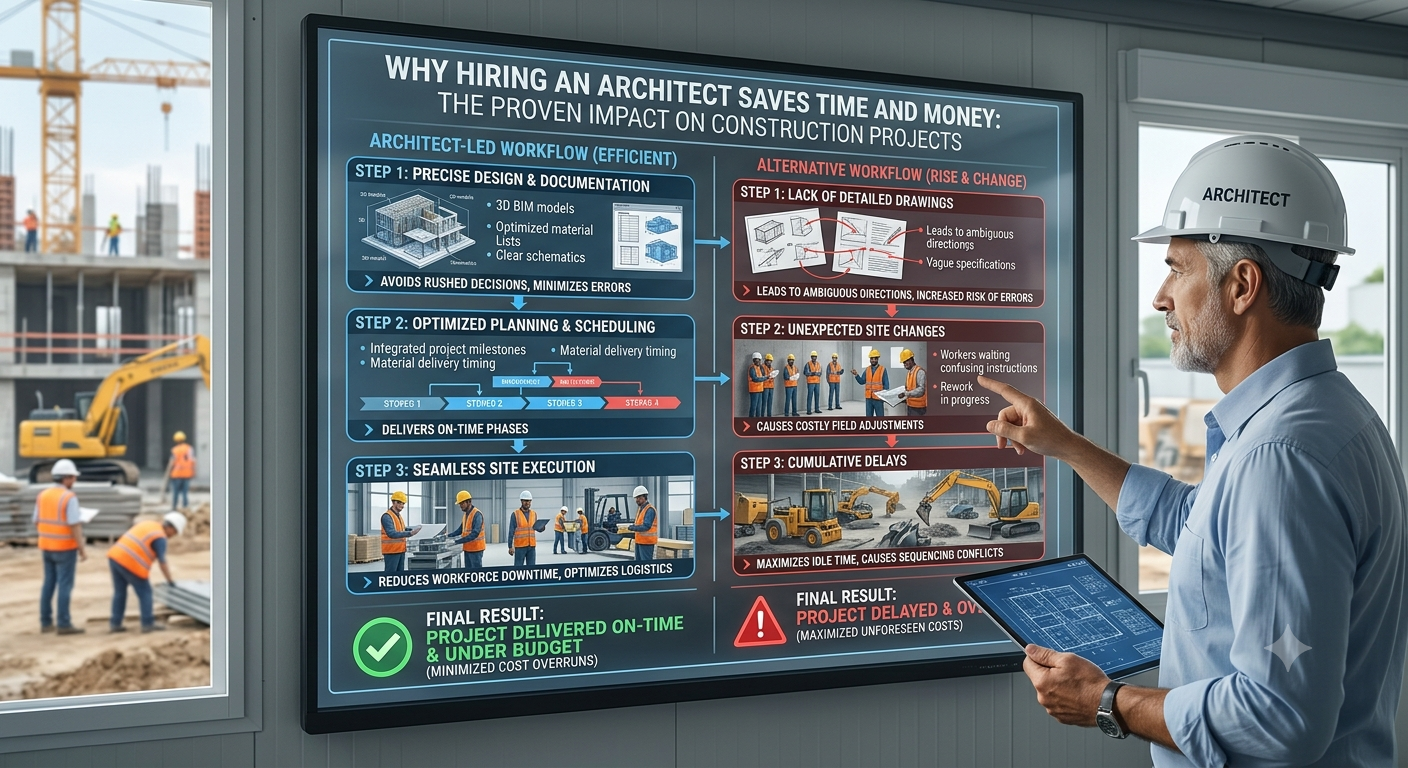
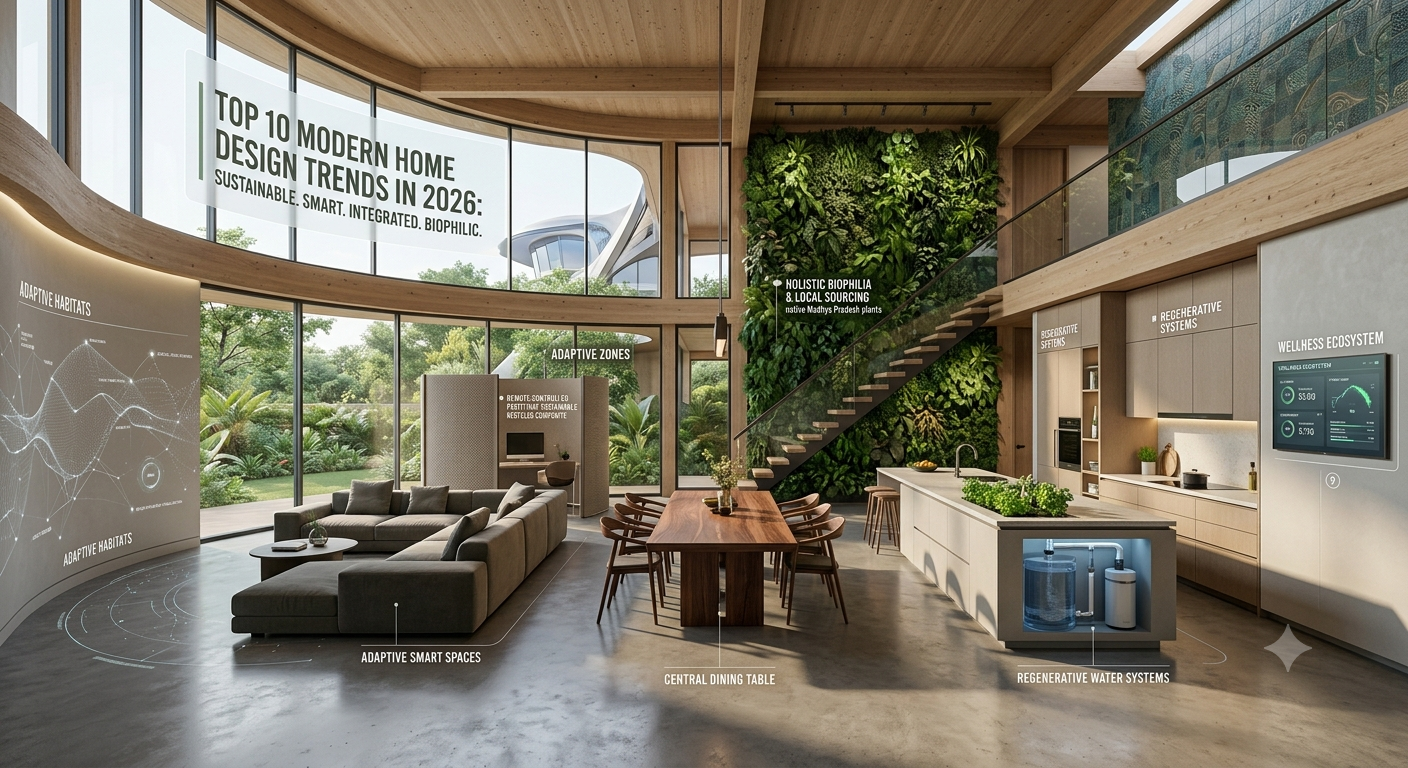
Many people think hiring an architect increases project costs. In reality, professional architectural planning helps reduce mistakes, avoid unnecessary expenses, and improve construction quality.
Benefits
- Accurate Planning
- Budget Optimization
- Better Space Utilization
- Fewer Construction Errors
- Premium Design
- Legal Drawing Support
- Long-Term Value
Professional architectural planning ensures every square foot is utilized effectively while reducing future maintenance costs.
Martial arts figure prominently in many Asian cultures, and the first known traces.
What Does an Architect Do?
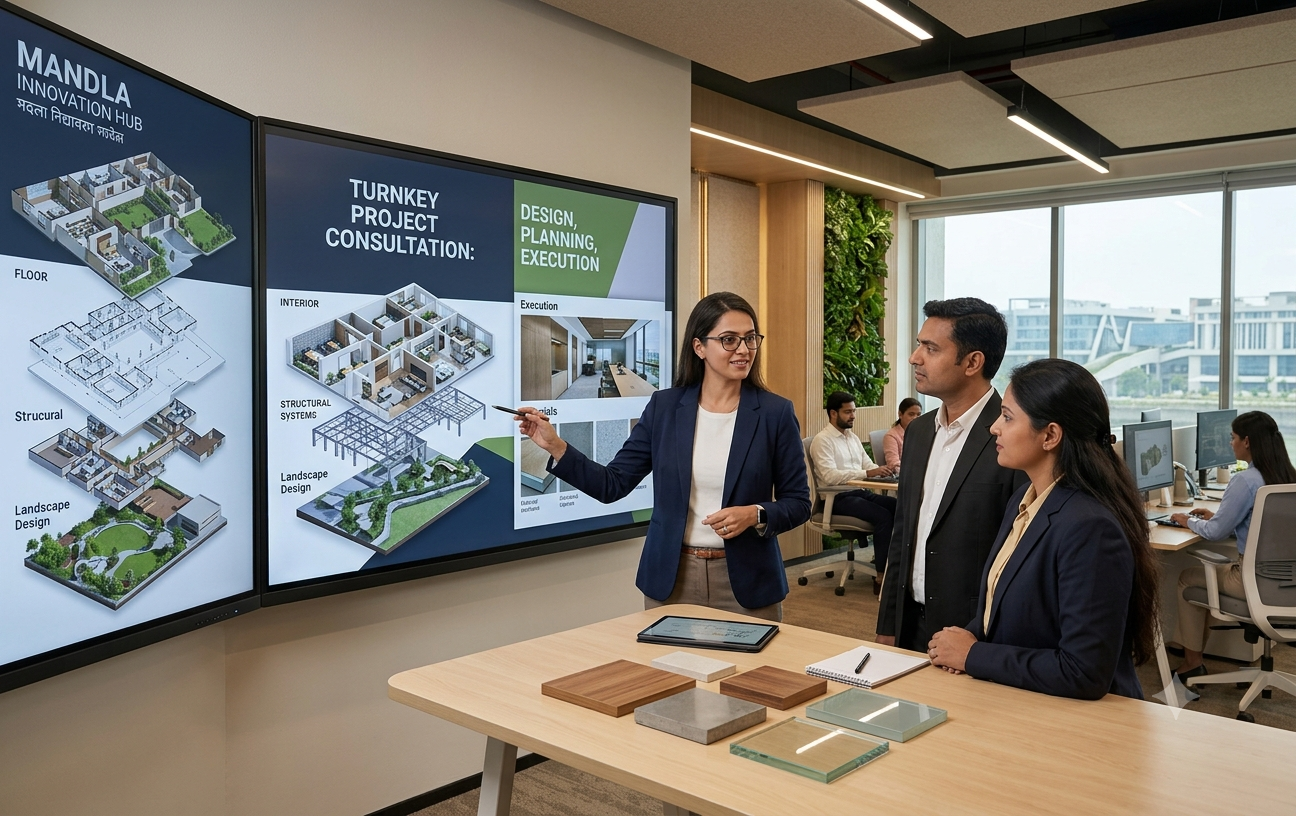
An architect is responsible for transforming your ideas into a well-planned design that is safe, functional, aesthetically appealing, and ready for construction. From the initial concept to the final drawings, an architect coordinates every aspect of the design process to minimize errors and maximize efficiency.
Professional architectural services typically include:
- Site Analysis
- Concept Development
- Floor Planning
- Exterior Elevation Design
- Interior Space Planning
- Structural Coordination
- 3D Visualization
- Construction Drawings
- Material Recommendations
- Project Consultation
1. Proper Planning Prevents Costly Mistakes
One of the biggest reasons construction budgets exceed expectations is poor planning. Without detailed architectural drawings, contractors may misinterpret dimensions, materials, or layouts, leading to expensive changes during construction.
A professional architect creates accurate plans before work begins, reducing unnecessary demolition, redesign, and material wastage.
Benefits:
✔ Accurate Floor Plans
✔ Correct Room Dimensions
✔ Efficient Utility Planning
✔ Reduced Construction Errors
✔ Better Budget Control
2. Smart Space Utilization
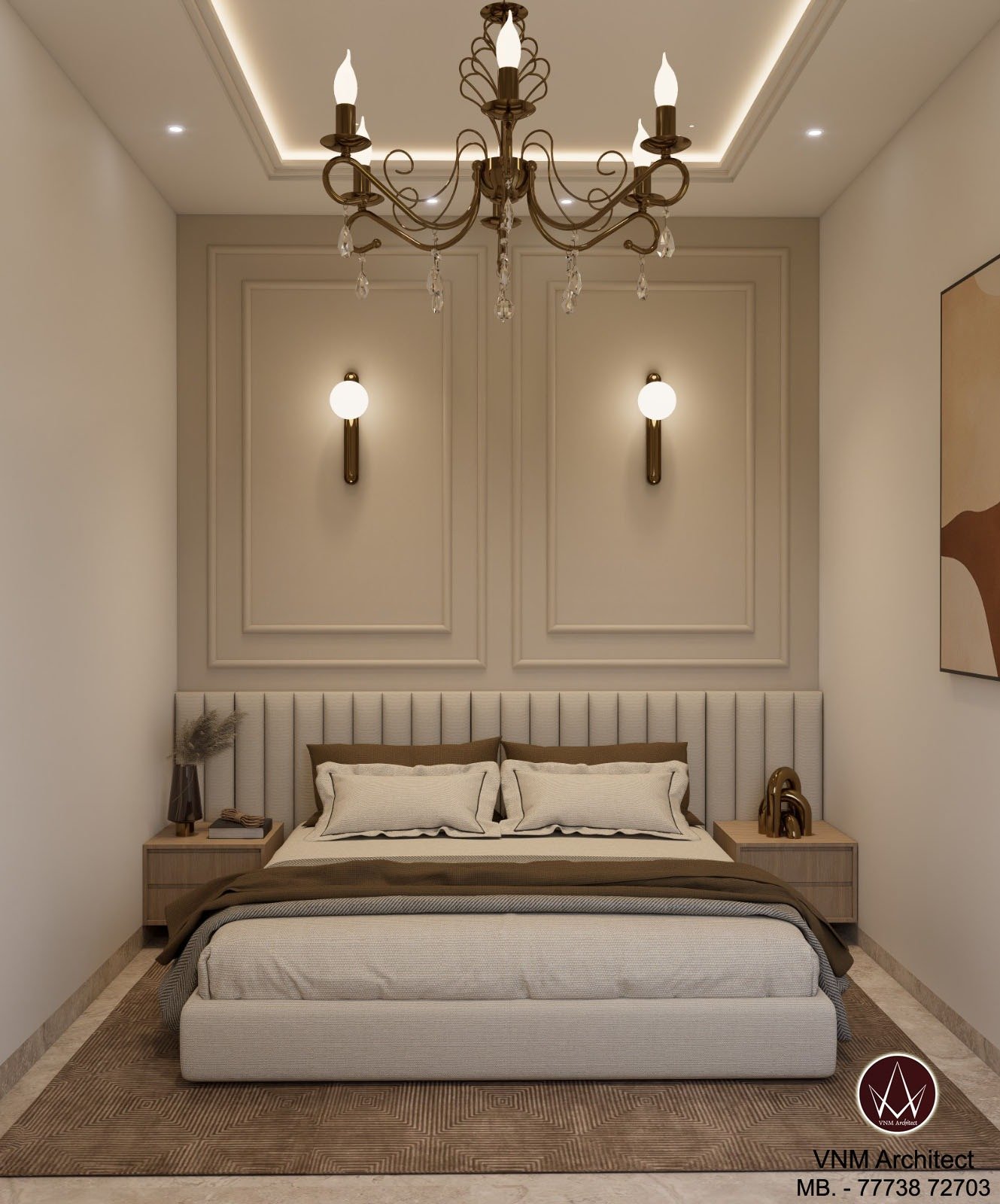
Every square foot of your property has value. An experienced architect understands how to make the best use of available space without compromising comfort or functionality.
Whether it’s a compact urban home or a large commercial building, smart planning ensures every area serves a purpose.
Examples include:
- Open Living Concepts
- Functional Kitchens
- Efficient Storage Solutions
- Multi-Purpose Rooms
- Comfortable Circulation Areas
This results in better living and working environments while reducing unnecessary construction costs.